
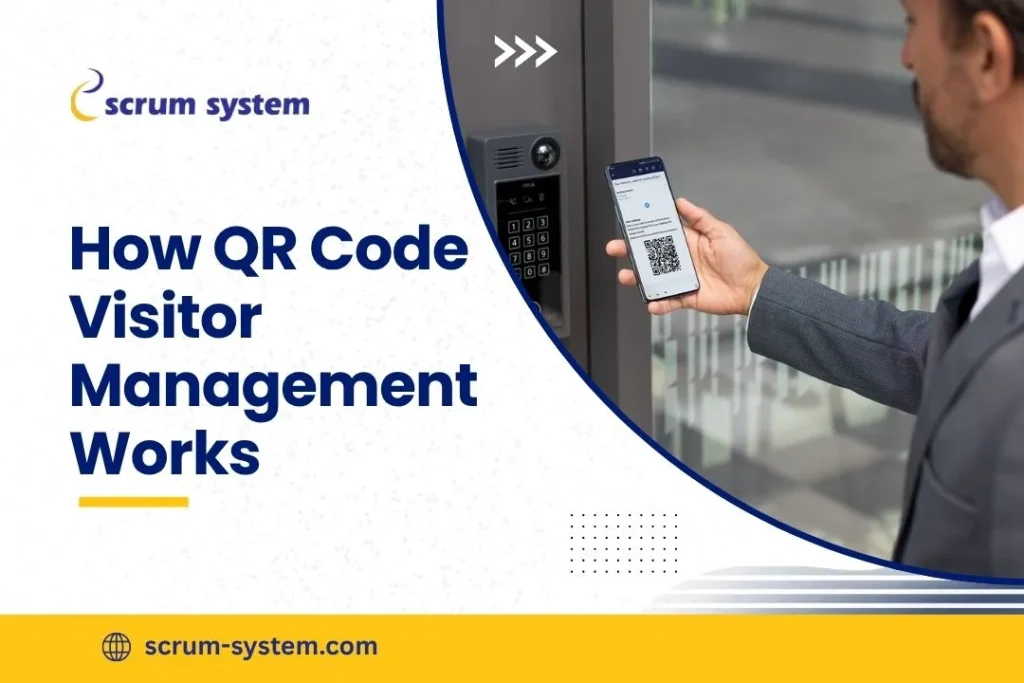

Managing visitors at an office, factory, construction site, hospital, educational institution, or commercial facility can get confusing fast when the registration is based on paper forms, manual entries and a reception desk, or maybe two desks depending on the day. But as organizations try to find faster, more secure ways to manage who actually comes in, QR-based technology start to look like a very practical option.
A QR code visitor management flow basically lets guests scan a code on their smartphone, share their details, fill the needed information, and get a confirmation right away without lingering too long at the front desk. When you pair this with a modern visitor management system, it can help with better sign-in, monitoring, security, and even the whole visitor experience, kind of smoother overall.
What Is QR Code Visitor Management?
QR code visitor management is a digital approach to registering and monitoring visitors using Quick Response (QR) codes. A facility can place a QR code at an entrance, reception area, parking location, security gate, or other designated point.
When a visitor scans the code, it can open a digital registration form where they provide relevant information such as their name, contact details, purpose of the visit, the person they are meeting, and other required information.
The information is then stored digitally rather than being written into a physical register. Depending on the organization’s requirements, the visitor may receive a confirmation, visitor pass, or notification after completing registration.
This approach forms part of a broader visitor management software solution that can help organizations automate visitor registration and maintain centralized records.
How Does a QR Code Visitor Management System Work?
The exact workflow can differ between organizations, but the process generally follows several straightforward steps.
QR Code Placement
The first step is creating and displaying a unique QR code at an appropriate location. Organizations may place QR codes at reception counters, entrance gates, security checkpoints, or other visitor access points.
The code can also be shared with expected visitors before their arrival. For example, an organization could send a QR code through email or another communication channel so a guest can complete some registration details before reaching the premises.
Visitor Scans the Code
The visitor uses a smartphone camera or QR scanner to scan the code. No special hardware may be necessary when the system is designed to work through a mobile browser.
After scanning, the visitor is directed to a digital registration page.
This is one of the main advantages of digital visitor management because guests can complete registration electronically instead of filling out paper forms.
Visitor Completes Registration
The visitor enters the information requested by the organization. Depending on the facility and its policies, the form may request details such as name, mobile number, company, purpose of visit, host name, appointment information, or identification details.
Organizations can configure the registration process according to their operational and security requirements.
A well-designed visitor registration system should keep the process simple while collecting the information needed for effective visitor management.
Verification and Approval
Once the registration form is submitted, the information can be reviewed according to the organization’s workflow.
For pre-registered visitors, the system may automatically match the visitor with an existing appointment. For walk-in visitors, the reception or security team may need to verify the details and contact the host.
Some systems can notify employees when their visitor arrives, allowing them to approve or acknowledge the visit digitally.
Digital Visitor Pass
After successful registration or approval, the visitor may receive a digital visitor pass. Depending on the system, the pass may contain information such as the visitor’s name, host, visit purpose, date, time, or a unique identification number.
Some organizations may also provide printed badges when physical identification is required.
Entry and Visitor Tracking
After the visitor is approved, the system records the entry. This creates a digital record that security and authorized administrators can access when necessary.
A modern visitor tracking software solution can provide visibility into who has entered the facility, when they arrived, whom they are visiting, and whether they have checked out.
This information can be particularly useful for workplaces with multiple visitors throughout the day.
Check-Out
Visitor management does not end at entry. A complete process should also record when visitors leave the premises.
The visitor can scan a QR code again, use a digital pass, or complete another check-out process depending on the system.
Recording both entry and exit creates a more accurate visitor log and helps organizations identify who is currently inside the facility.
Key Benefits of QR Code Visitor Management
QR-based registration can offer several practical benefits for organizations.
Faster Visitor Registration
Paper forms require visitors to manually write their information and may create queues during busy periods. QR registration can reduce unnecessary waiting by allowing guests to complete the process using their own smartphones.
This can make reception areas more efficient, particularly during meetings, events, shift changes, and peak arrival times.
Reduced Paperwork
Traditional visitor registers require physical storage and manual maintenance. Digital records eliminate much of this paperwork and make visitor information easier to organize.
Authorized administrators can access records electronically instead of searching through physical registers.
Better Visitor Tracking
Knowing who is currently on-site can be important for security and emergency management. A digital system can maintain records of visitor arrivals and departures, making it easier to understand visitor activity.
This is an important component of effective workplace visitor management, particularly for larger offices, industrial facilities, and multi-location organizations.
Improved Data Accuracy
Manual registration can result in handwriting problems, incomplete information, or data-entry mistakes. Digital forms can standardize the information collected from visitors and make required fields mandatory.
This can improve the quality and consistency of visitor records.
Host Notifications
A QR-based system can connect visitor registration with host notifications. When a guest arrives, the employee they are visiting can receive an alert through the configured communication method.
This can reduce the need for reception staff to repeatedly call employees to announce arrivals.
Centralized Visitor Records
A visitor management system can kinda maintain visitor information on a centralized platform, you know, all in one place. Authorized users are able to review historical records, monitor current visitors, and generate reports depending on what the system features offer, not everything shows all at once sometimes.
Centralized records can also help organizations set up more uniform visitor procedures across departments or locations, which is kind of useful because the process stays aligned.
Where Can QR Visitor Management Be Used?
QR visitor management can be kinda useful across many kinds of places. For corporate offices, it might help with tracking employees’ guests, interview candidates, vendors, and even business partners- you know, the whole circle. Manufacturing facilities can do something similar for contractors, suppliers, and other outside people.
Hospitals and other healthcare settings could use digital check-in so visitors are registered properly while access rules stay in place. Educational institutions can roll out QR-based systems for parents, guests, vendors, and event attendees too; it just fits. Also, residential communities, warehouses, coworking spaces, and commercial buildings can adopt QR-based registration to speed up the whole visitor processing; it’s not too complicated.
Of course, the actual flow , should be planned based on the organization’s security needs and the type of visitors they usually get.
QR Visitor Management vs. Traditional Visitor Registers
Traditional registers are kind of simple and inexpensive, but in practice they lean a lot on manual work. Information can be awkward to find, the records might get damaged or end up misplaced and the reception teams basically have to keep writing or updating entries, step by step.
A digital approach can automate a bunch of that. With visitor management software, organizations can shift from a basic log book to a more structured setup for registration, authorization, alerts, monitoring, and reporting.
Still, the tech should support, not fully replace, the right kind of security procedures. Each organization ought to spell out who is allowed to access visitor data, how long the documentation is kept, and what kind of verification is needed before anyone is permitted in.
What Should You Look for in Visitor Management Software?
Organizations looking into a digital visitor solution should think about which options line up with their day-to-day needs, not just the basics. QR based registration, pre-registration, host notifications, digital passes, visitor tracking, plus check-in and check-out records, reporting, and access controls can be quite helpful.
Also, it matters that the whole system feels simple for both the visitors and the reception team. If the workflow is too elaborate or has too many steps, it can cause some delays. and, in the end, adoption tends to drop.
For organizations running more than one facility, scaling options and centralized administration might be just as important too, especially when everything needs to be kept under control.
The Future of Workplace Visitor Management
Visitor management is slowly moving away from paper-based registers toward connected digital workflows, and honestly it feels like everyone is expecting that shift now. QR codes help as a kind of convenient entry point, since most visitors already carry smartphones that can scan them without much fuss.
When QR registration gets stitched into a wider visitor registration system, organizations can end up with a smoother flow, from arrival through departure, rather than bouncing between tools. With digital records in place, there is more visibility, and the automated notifications plus approvals can cut down on the administrative load that usually piles up.
For modern organizations, workplace visitor management is less about “just check people in” and more about striking a balance between ease, security, and operational control. QR-based systems can support that goal by making visitor registration quicker, while also giving organizations structured digital data about who is entering and who is leaving the premises.
Conclusion
QR code visitor management gives a pretty simple way to modernize the whole visitor registration part. A visitor can scan the code, type in their info, finish the necessary verification, get authorization, and then check in without having to rely on paper-based steps all the time.
For organizations, the perks usually go further than just quicker sign-in. If the system is set up properly, it can help with visitor tracking, host notifications, keeping digital records, enabling check-in and check-out, and producing useful reporting.
And as workplaces keep getting more digitally connected, QR-based visitor management feels like a practical building block for a more organized, efficient, and secure visitor experience.