
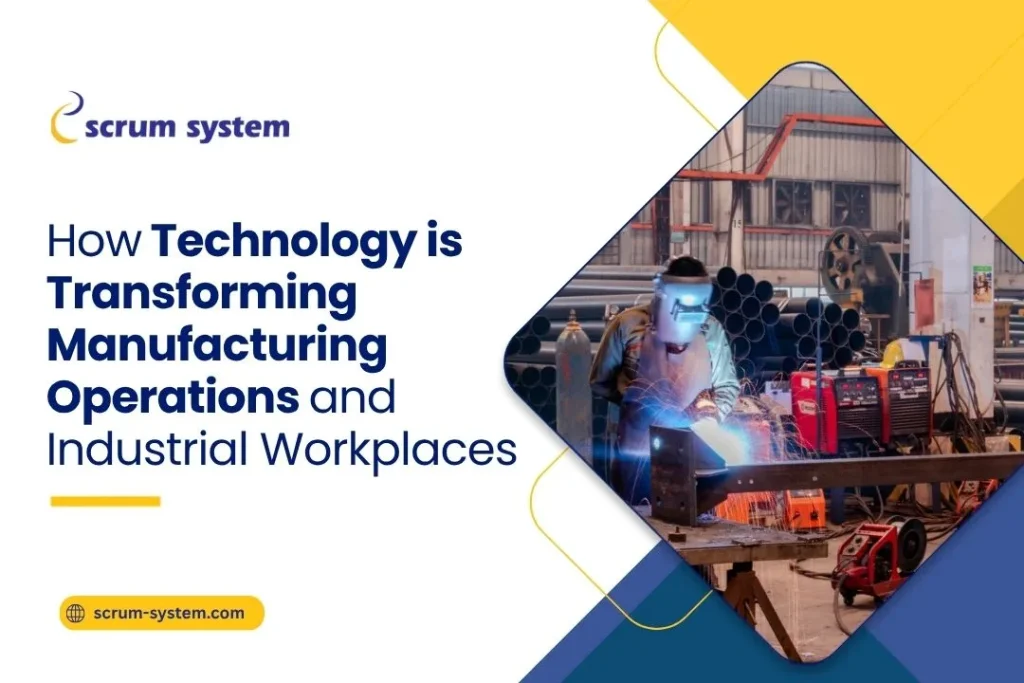

The manufacturing industry has witnessed a remarkable transformation over the past decade. Gone are the days when factories relied solely on manual processes, paper registers, and traditional workforce management practices. Today, digital technologies are helping manufacturers improve productivity, reduce operational costs, strengthen workplace safety, and make better business decisions.
From automated production lines and smart machinery to cloud-based management software, technology has become an integral part of modern manufacturing operations. One of the most significant changes is the way businesses manage their workforce. Whether it’s permanent employees, contract workers, or seasonal labour, organisations are increasingly adopting digital solutions like a Labour Management System, Workforce Management software, and Contract Labour Management platforms to streamline day-to-day operations.
For Indian manufacturers, warehouses, engineering companies, food processing plants, vineyards, and agro-based industries, embracing these technologies is no longer an option it has become a necessity to remain competitive.
The Shift Towards Smart Manufacturing
Manufacturing is evolving beyond machines and production lines. Today’s factories are connected through digital technologies that provide real-time information about production, inventory, equipment performance, and workforce activities.
Smart manufacturing combines automation, data analytics, cloud computing, and Internet of Things (IoT) devices to improve efficiency across every stage of production.

Managers can monitor operations remotely, identify bottlenecks, and respond to issues much faster than ever before.
However, technology isn’t just transforming machines; it is also changing how organisations manage their people.
Why Workforce Management Matters More Than Ever
Employees are the backbone of every manufacturing business. Even with automation, skilled workers remain essential for operating machinery, maintaining quality standards, and ensuring smooth production.
Managing hundreds or even thousands of workers manually can be challenging. Attendance tracking, shift scheduling, overtime calculations, leave management, and productivity monitoring often become time-consuming tasks.
This is where Workforce Management software plays a crucial role, and scrum systems offer the best solution.
A digital workforce management solution automates routine HR and operational processes, enabling managers to focus on productivity rather than paperwork. It provides real-time visibility into employee attendance, shift allocations, workforce availability, and labour utilisation.
By reducing administrative work, businesses can improve efficiency while ensuring employees receive accurate wages and timely support.
Labour Management System: Simplifying Daily Operations
A modern Labour Management System helps organisations manage their workforce more effectively through digital automation.
Instead of maintaining paper attendance registers or manually calculating working hours, businesses can record employee attendance using biometric devices, RFID cards, facial recognition, or mobile applications.
The system automatically calculates working hours, overtime, shift timings, and attendance records, reducing human errors and administrative workload.
Some of the key benefits of implementing a Labour Management System include:
* Accurate attendance tracking
* Automated shift scheduling
* Reduced payroll errors
* Improved labour productivity
* Better compliance with labour regulations
* Real-time workforce visibility
These capabilities help managers make informed decisions while ensuring smooth day-to-day operations.
Managing Contract Workers More Efficiently
Many manufacturing industries rely heavily on contractors for production, maintenance, housekeeping, logistics, security, and seasonal operations.
While contract labour offers flexibility, managing multiple contractors manually can become extremely complicated.
A Contract Labour Management solution enables organisations to digitally monitor contractor information, employee records, attendance, compliance documents, wage details, and contract validity from a single platform.
Instead of chasing paperwork, HR teams and factory managers gain instant access to accurate contractor information whenever required.
This not only improves operational efficiency but also helps businesses meet statutory compliance requirements more effectively.
Improving Compliance Through Digital Systems
Manufacturing companies must comply with several labour laws and workplace safety regulations.
Maintaining manual records often increases the risk of missing important documentation or failing compliance audits.
Digital Contract Labour Management platforms simplify compliance by securely storing employee records, contractor licenses, statutory documents, insurance information, and attendance logs.
Automated alerts remind managers about expiring contracts, certifications, or compliance documents, helping organisations avoid penalties and legal complications.
This becomes particularly valuable for companies employing a large contract workforce across multiple locations.
Better Shift Planning and Resource Allocation
Efficient production depends on having the right people available at the right time.
Traditional shift planning methods often result in understaffing, overstaffing, or scheduling conflicts.
Modern Workforce Management solutions use digital scheduling tools that allow managers to create, modify, and monitor employee shifts with ease.
Managers can instantly identify workforce shortages, assign replacements, and balance workloads across departments.
For industries operating multiple shifts, this leads to higher productivity while minimising unnecessary overtime costs.
Enhancing Employee Productivity
Technology enables managers to understand workforce performance more accurately.
Digital dashboards provide valuable insights into attendance trends, absenteeism, overtime, productivity levels, and workforce utilization.

Instead of relying on assumptions, managers can make data-driven decisions to improve operational efficiency.
A labor management system also helps identify departments requiring additional training or staffing support, allowing businesses to continuously optimize workforce performance.
Improving Workplace Safety
Technology has significantly improved industrial safety.
Modern manufacturing facilities use digital systems to monitor employee training, safety certifications, PPE compliance, visitor access, and emergency preparedness.
Some workforce management platforms even integrate with safety management systems, ensuring only authorised and trained personnel enter hazardous work areas.
Digital records also help during accident investigations, safety audits, and compliance inspections by providing quick access to employee and contractor information.
Supporting Multi-Location Manufacturing Operations
Many Indian manufacturers operate multiple plants, warehouses, and distribution centres across different cities or states.
Managing employees across various locations manually can become challenging.
Cloud-based Workforce Management software enables centralised monitoring of attendance, productivity, shift schedules, and workforce data across all facilities.
Business owners and senior management can access real-time reports from anywhere, allowing faster decision-making and improved operational control.
This centralised approach ensures consistency while reducing administrative overhead.
Data-Driven Decision Making
One of the biggest advantages of digital transformation is access to reliable business intelligence.
Modern workforce solutions generate reports on labour costs, overtime expenses, absenteeism, contractor performance, productivity trends, and workforce utilisation.
These insights help organisations identify operational inefficiencies and implement improvements based on actual data rather than guesswork.
With accurate workforce analytics, businesses can forecast labour requirements, optimize staffing levels, and improve profitability.
Preparing for the Future of Manufacturing
The future of manufacturing is becoming increasingly digital.
Artificial Intelligence (AI), automation, robotics, cloud computing, and predictive analytics will continue reshaping industrial operations over the coming years.
Companies that invest in digital workforce technologies today will be better prepared to adapt to future challenges.
Implementing a Labour Management System, strengthening Workforce Management and adopting modern Contract Labour Management solutions are important steps toward building smarter, safer, and more productive workplaces.
Conclusion
Technology is no longer limited to improving machines and production lines; it is transforming how manufacturers manage their most valuable asset: their workforce.
Digital solutions simplify attendance tracking, contractor management, compliance, shift planning, productivity monitoring, and reporting, enabling businesses to operate more efficiently.
Whether you run a manufacturing plant, engineering company, warehouse, food processing unit, textile factory, agro-processing facility, or vineyard, investing in modern Workforce Management technologies can improve productivity while reducing administrative burdens.
As manufacturing continues to evolve, organisations that embrace digital transformation through a reliable Labour Management System and effective Contract Labour Management will be well-positioned for long-term growth, operational excellence, and sustainable success.
Visit Scrum systems for complete solutions.